
.webp)

The Benefits of Heat Pumps for Sustainable Living

As the world increasingly shifts toward sustainable energy solutions, heat pumps are gaining significant attention as an eco-friendly option for heating and cooling homes. These systems are designed to transfer heat from one place to another, making them a versatile solution that reduces energy consumption. Let's explore the benefits of heat pumps and how they contribute to sustainable living.
What Are Heat Pumps?
Heat pumps are devices that transfer heat from the outside environment into your home during the winter and reverse the process in the summer. Unlike traditional heating systems that generate heat from fuel, heat pumps utilize electricity to move heat. This energy-efficient method makes them a popular choice for homeowners looking to reduce their carbon footprint.

Heat pumps come in various forms, including air-source, ground-source, and water-source heat pumps. Each type has its unique benefits and applications, making them suitable for different climates and residential needs. For instance, air-source heat pumps are most common due to their affordability and adaptability.
Benefits of Heat Pumps
Heat pumps offer numerous advantages that align with sustainable living practices. Some of the key benefits include:
Energy Efficiency: One of the most significant benefits of heat pumps is their energy efficiency. They can provide up to three times more heating or cooling energy than the electrical energy they consume. This efficiency not only translates into lower energy bills but also reduces greenhouse gas emissions. When installed correctly, heat pumps can drastically cut down your home's overall energy usage.
Lower Carbon Footprint: By using renewable energy from the environment, heat pumps can dramatically reduce the reliance on fossil fuels. This shift is essential for reducing greenhouse gas emissions and combating climate change. According to a study, households that switch to heat pumps can reduce their carbon emissions by up to 50% compared to traditional heating systems.
Versatility: Heat pumps are adaptable systems that provide both heating and cooling. This dual functionality eliminates the need for separate heating and cooling systems, saving space and installation costs. Depending on where you live, a heat pump could easily transition from heating your home in the winter to cooling it in the summer.
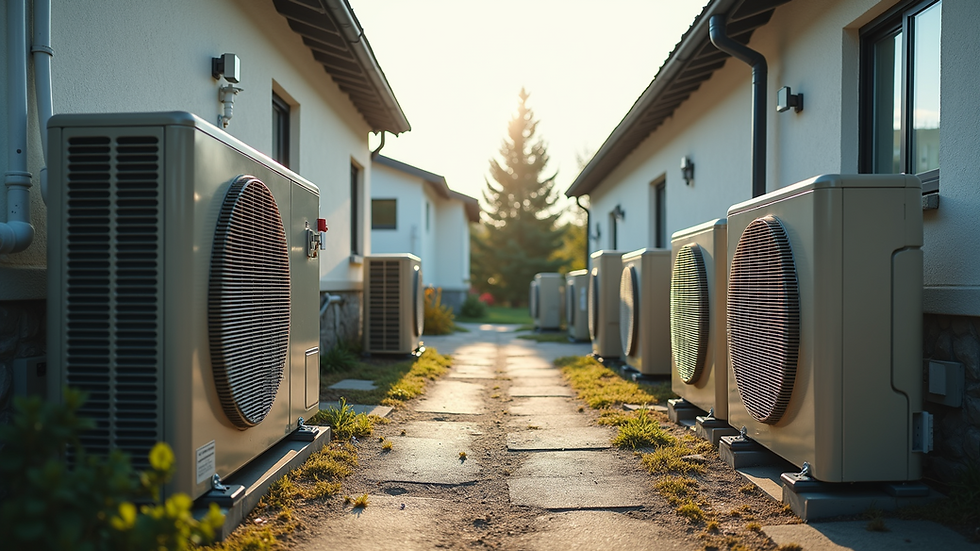
Longevity and Low Maintenance: Typically, heat pumps have a lifespan of 15 to 20 years, which is longer than many traditional heating systems. They require minimal maintenance, and regular servicing helps keep them running efficiently for years. This longevity contributes to a more sustainable overall investment and reduces waste in the long run.
Incentives and Rebates: Many governments and utility companies offer incentives for homeowners who choose to install heat pumps. These incentives can vary from tax credits to rebates, making the initial investment much more affordable. Researching local programs and understanding the financial options available can make transitioning to a heat pump an attractive option.
Are Heat Pumps Really 300% Efficient?
The phrase "300% efficiency" is often thrown around when discussing heat pumps, but what does it mean? The efficiency of heat pumps is measured by their coefficient of performance (COP), which refers to the ratio of heat output to energy input.
In ideal conditions, some heat pumps can achieve a COP of 3 or higher, indicating they provide three units of heat for every unit of electricity consumed. This is why people often refer to heat pumps as being "300% efficient" but it’s essential to consider that this figure can vary based on external climate, installation specifics, and maintenance factors.

While the efficiency calculation may seem fantastic, it’s crucial to recognize that actual performance can vary. Homeowners must also assess how well their heat pump integrates with their home's specific needs and local climate conditions. Engaging with professionals for an energy audit can ensure you choose a system that maximizes your home's energy efficiency, and gives you insights into heat pumps energy efficiency.
Environmental Impact of Heat Pumps
The shift toward heat pump usage has significant implications for our environment. By reducing our reliance on fossil fuels, heat pumps can help mitigate the damaging effects of climate change. Furthermore, as electrical grids increasingly adopt renewable energy sources, the carbon emissions associated with heat pumps will further decline.
Moreover, heat pumps contribute to improved air quality since they can operate on clean energy. Transitioning away from combustion-based heating systems can lead to lower levels of harmful pollutants in the air, benefiting both human health and ecosystems.
Practical Tips for Choosing a Heat Pump
If you're considering a heat pump for your home, here are some practical tips:
Understand Your Heating and Cooling Needs: Assess your home’s size, insulation quality, and climate to determine the appropriate heat pump size and type. Oversized systems can lead to inefficiencies.
Seek Professional Installation: Proper installation is crucial for ensuring optimal performance. Consult experienced professionals who can recommend the best equipment based on your needs.
Look for Energy Star Ratings: Choosing a heat pump with the Energy Star label can ensure you're getting a model that meets strict energy efficiency guidelines, which can lead to savings on utility bills.
Consider Smart Controls: Many modern heat pumps come equipped with smart thermostats, allowing for more efficient energy usage patterns. Invest in these features for added convenience and energy savings.
Regular Maintenance: Schedule periodic maintenance checks to maximize your heat pump’s efficiency and lifespan. Regular filters replacement and system check-ups can enhance performance and reduce energy waste.
The Future of Heat Pumps in Sustainable Living
The future of heat pumps looks bright as technology continues to advance. Innovations in design and technology lead to more efficient models, making them even more appealing for eco-conscious homeowners. As more jurisdictions set goals to reduce carbon emissions and increase renewable energy usage, heat pumps will likely play a critical role in achieving these targets.
Considering the benefits they offer, including significant energy savings, versatility, and environmental impact, heat pumps are an essential component of sustainable living practices. Investing in a heat pump today not only aligns you with a greener future but also provides immediate benefits to your home environment and energy wallet.
As we navigate the challenges of climate change, solutions like heat pumps will be vital in reducing our energy consumption and creating a sustainable lifestyle for future generations.


Comments